
Pomodoro Sauce (Pasta al Pomodoro)

This post may contain affiliate links.
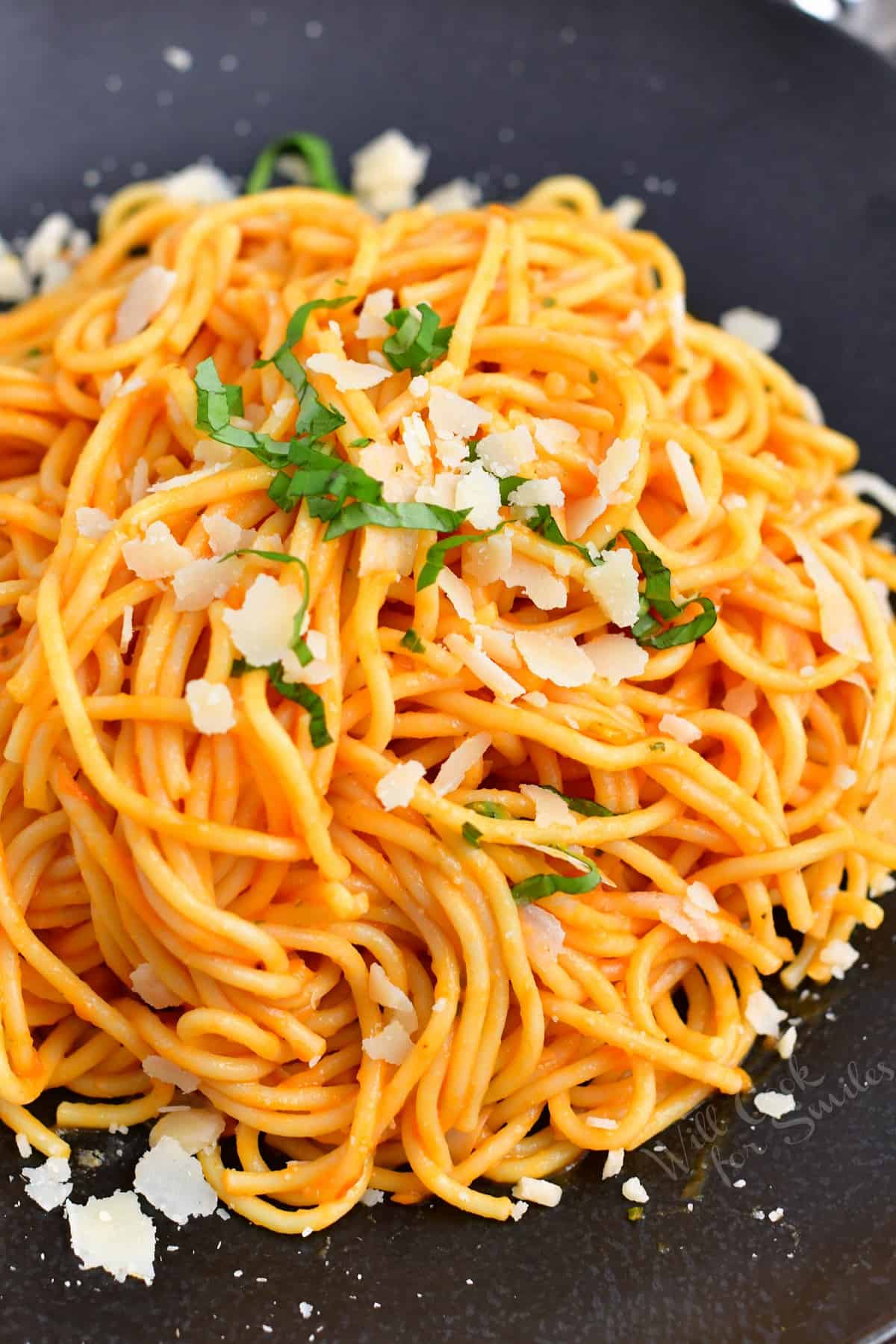
Why Is My Pomodoro Sauce So Good
- Just a handful of ingredients, so every one matters. With only five main ingredients, there’s nowhere for a mediocre tomato or a stale clove of garlic to hide. Good, ripe tomatoes and fresh olive oil are what carry this sauce.
- It’s mostly hands-off. The whole thing takes about 45 minutes, and most of that is simmering time. Peeling the tomatoes is the only real “step,” and even that goes quickly once you get the hang of blanching.
- Simmered uncovered, then blended smooth. Letting the liquid cook down instead of covering the pot is what gives pomodoro its characteristic thick, velvety texture.
- It’s endlessly useful. Once you have a batch, it works anywhere a good tomato sauce is welcome, from a simple bowl of pasta to a sauce for Chicken Parmesan.
Table of Contents
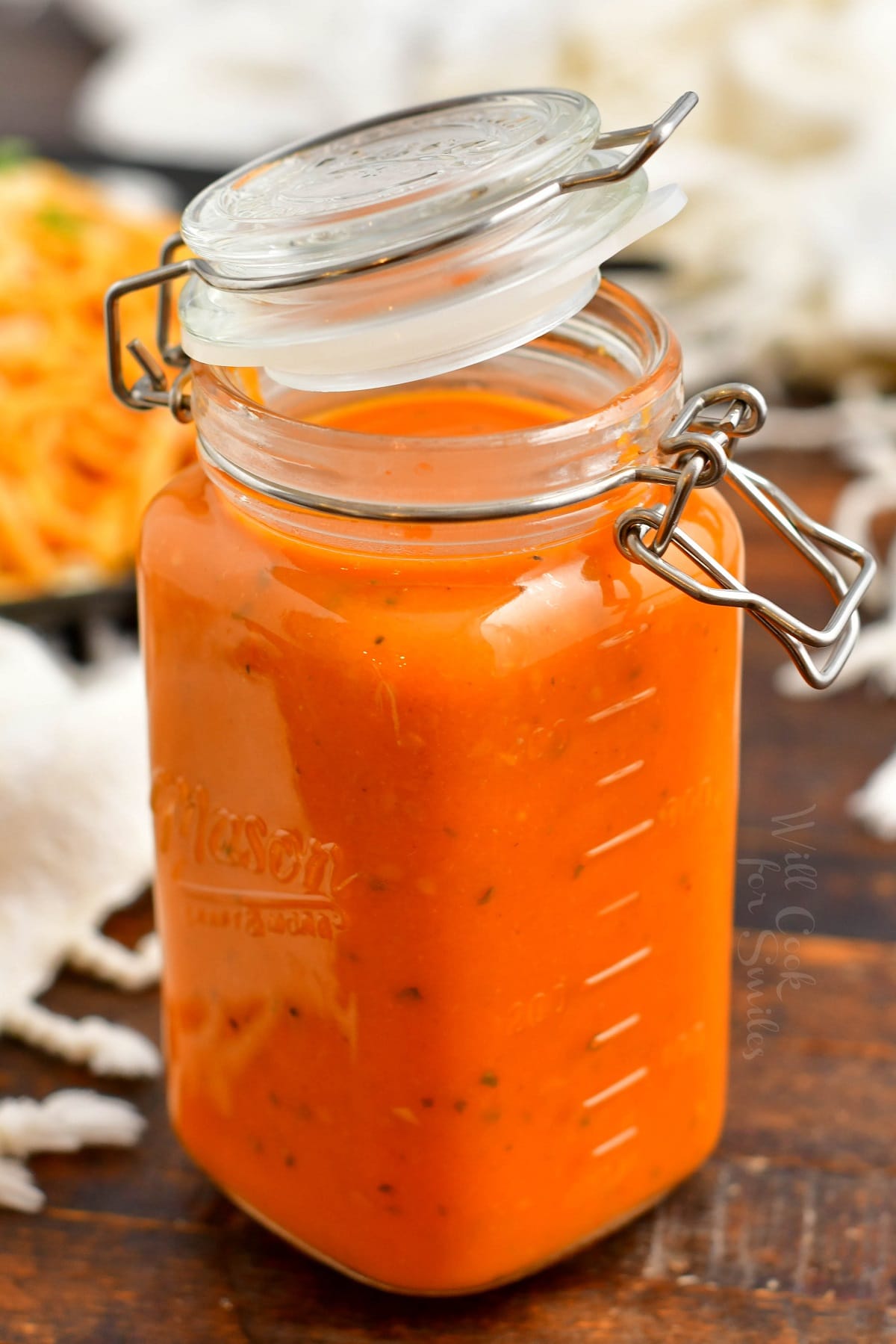
What Is Pomodoro Sauce?
Pomodoro literally translates to “tomato,” which is where this Italian tomato sauce gets its name. The key to its success is that there is only a handful of fresh ingredients, so make sure to choose the best quality.
Pomodoro sauce is a combination of fresh tomatoes, sweet onion, fresh garlic, fresh basil, and smooth extra virgin olive oil. It’s a great sauce to use up your garden vegetables and if you’re lucky enough to live in warmer climate, you can do it all year long.
Even though fresh tomatoes is the best way to enjoy this sauce, you can also use canned San Marzano peeled whole tomatoes.
Ingredient Notes
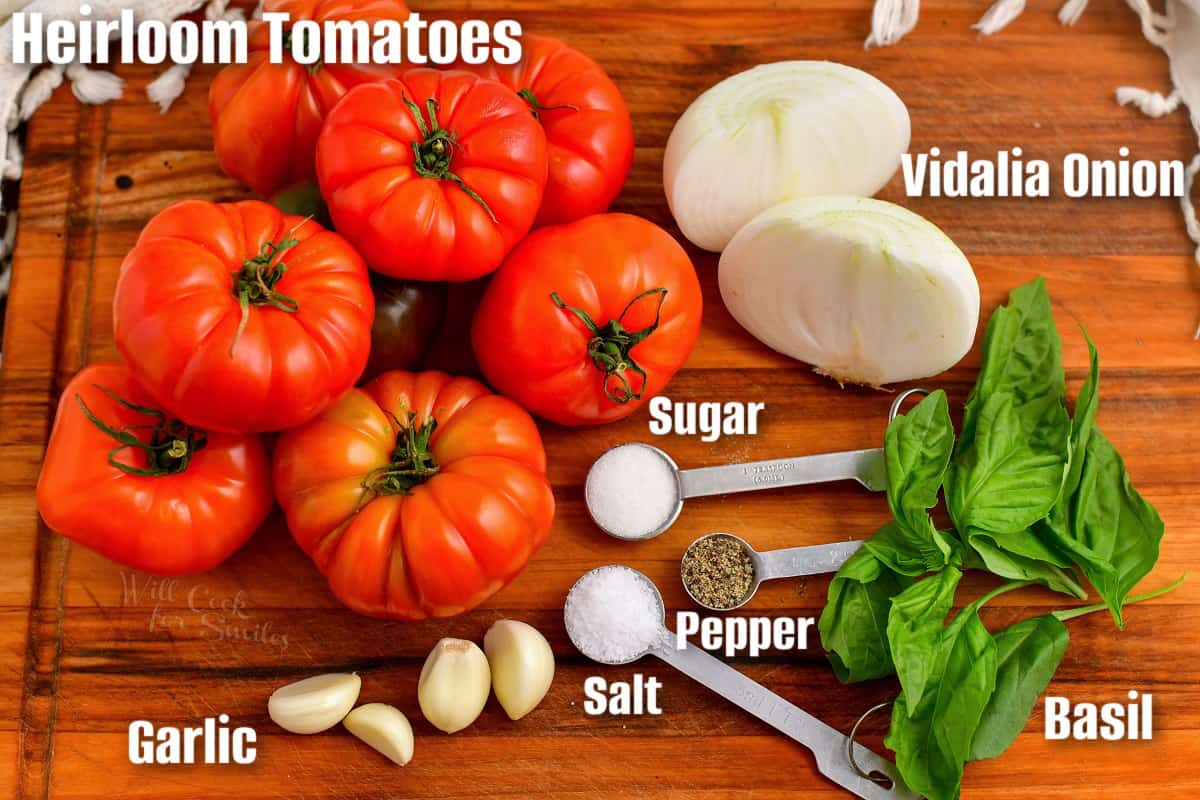
Heirloom tomatoes – I love this variety for its aromatic, amazing homegrown flavor. San Marzano, Roma, and other tomatoes on the vine will all work well too. Avoid any that are not ripe, over-ripe, or too small to peel. (And while you’re getting heirloom tomatoes, grab some extra for my heirloom tomato salad!)
Olive oil – This is the type of recipe where quality is really important because of how it impacts texture and flavor. Be sure the oil is fresh and that you enjoy how it tastes by itself. It may be a bit more expensive, but high-quality olive oil is well worth the extra cost when it comes to cooking. Taste the sauce before using.
Fresh Basil – this will compliment the fresh ingredients very well with the bright flavor and aroma.
Garlic – use fresh garlic for the best results. Pre-packaged minced garlic will always have an old flavor that is unlike fresh.
Yellow onion – Since this recipe is so simple, each ingredient is carefully selected based on how it relates to the others. White varieties have a sharper flavor and red ones are too sweet. Yellow onions have the perfect balance needed for this recipe.
Seasoning – all you need is a little sugar to balance out the acidity in tomatoes, and salt and pepper to enhance the flavor.
How To Peel Tomatoes
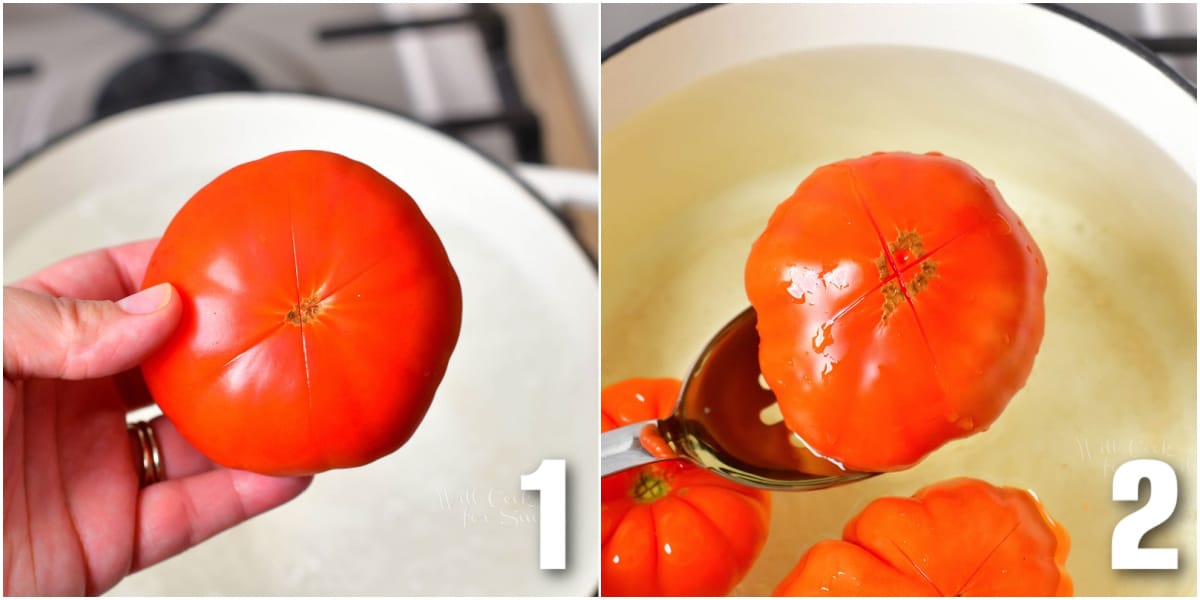
Before starting the pomodoro sauce, you will need to remove the skin from all of the tomatoes. The easiest way to do this is by blanching the vegetables so the skins slide right off.
- Bring a pot of water to boil and combine ice and cold water in a large bowl.
- Slice a small x into the bottom of each tomato.
- Add a few tomatoes at a time to the boiling water and keep for about 30 seconds. Watch for the skin around the x to curl back and start to peel away on its own, that’s your cue they’re ready. Quickly take them out and into the ice bath. Work in small batches so the water stays at a rolling boil the whole time, since a pot that’s cooled down will need longer to loosen the skins.
- Once cooled, use your fingers to easily remove the skin from the tomatoes. It should slip off in one or two pieces with almost no resistance. If a patch is stubborn, that spot just needs another few seconds in the boiling water.
How To Make Pomodoro Sauce
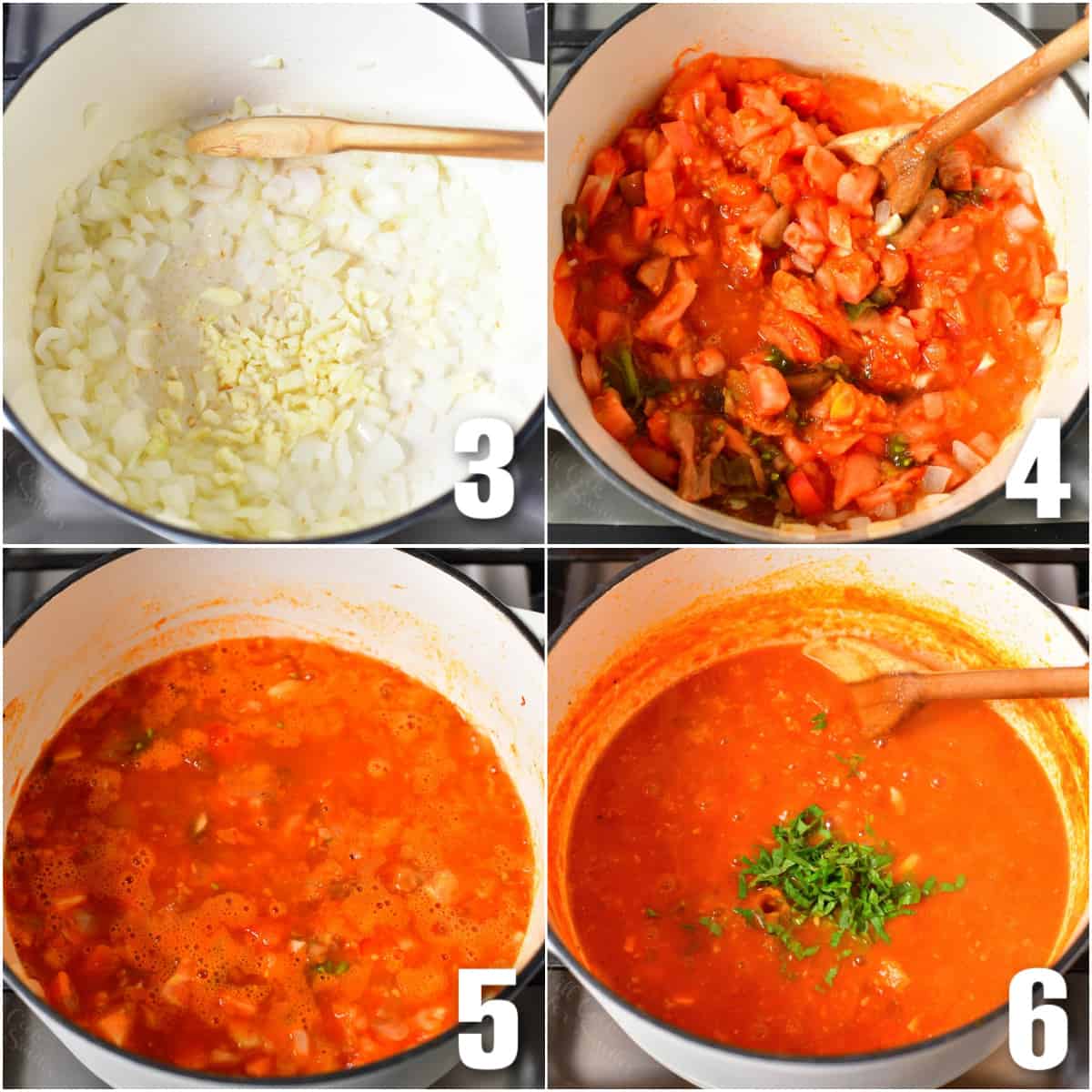
- Prep the ingredients. Dice the vegetables and mince garlic and basil. If you would like to, measure out the sugar, salt, and pepper into a small bowl so it’s ready to go.
- Sauté the onion and garlic. Cook the onion just until softened and translucent around the edges, then add garlic. Mix and cook until fragrant, about 30 seconds. Keep an eye on the garlic here, since it can go from fragrant to bitter in a hurry if it browns.
- Add the tomatoes, then simmer. Add tomatoes and half the basil. Lower the heat to low to keep everything at a gentle simmer, stirring from time to time. Don’t cover it with a lid because you want some of the liquid to evaporate. Cook for 30-40 minutes, until the tomatoes have broken down and the sauce has visibly thickened and deepened in color, with less liquid pooling around the edges of the pan.
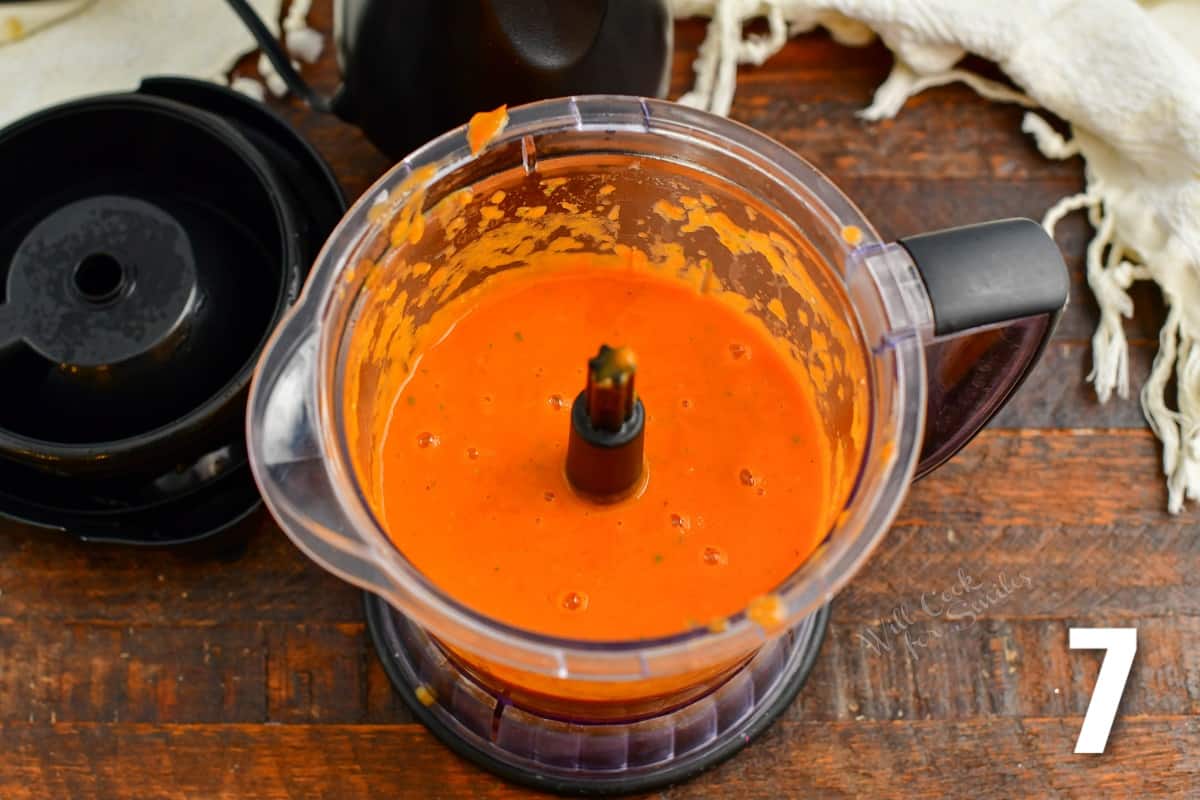
- Season and blend until smooth. Stir in salt, pepper, sugar, and remaining basil and let it simmer for a few more minutes. Carefully transfer to a blender or use an immersion blender right in the pan. Blend until completely smooth, the sauce should turn glossy and coat the back of a spoon rather than run right off it.
Helpful Tips and Tricks
Don’t cover with a lid – don’t cover the pot with the lid while cooking the sauce. Pomodoro sauce is usually a thicker sauce so you want to cook out the liquids and let them evaporate. The sauce flavor will also be richer if you let the liquids cook out.
Don’t rush! Let the sauce simmer for the full recommended time and if you want a deeper flavor, let it cook on low for up to 2 hours.
Avoid a blender explosion! When heat is trapped in a blender, it builds pressure that may cause the lid to pop off unexpectedly. Usually, there is a removable cap in the center of the lid to prevent this from happening. Some other types of blenders will have a flap you can open in a lid to let the steam escape. Make sure to open the flap or the cap in the lid to let the steam escape while blending.
Ways To Serve Pomodoro Sauce
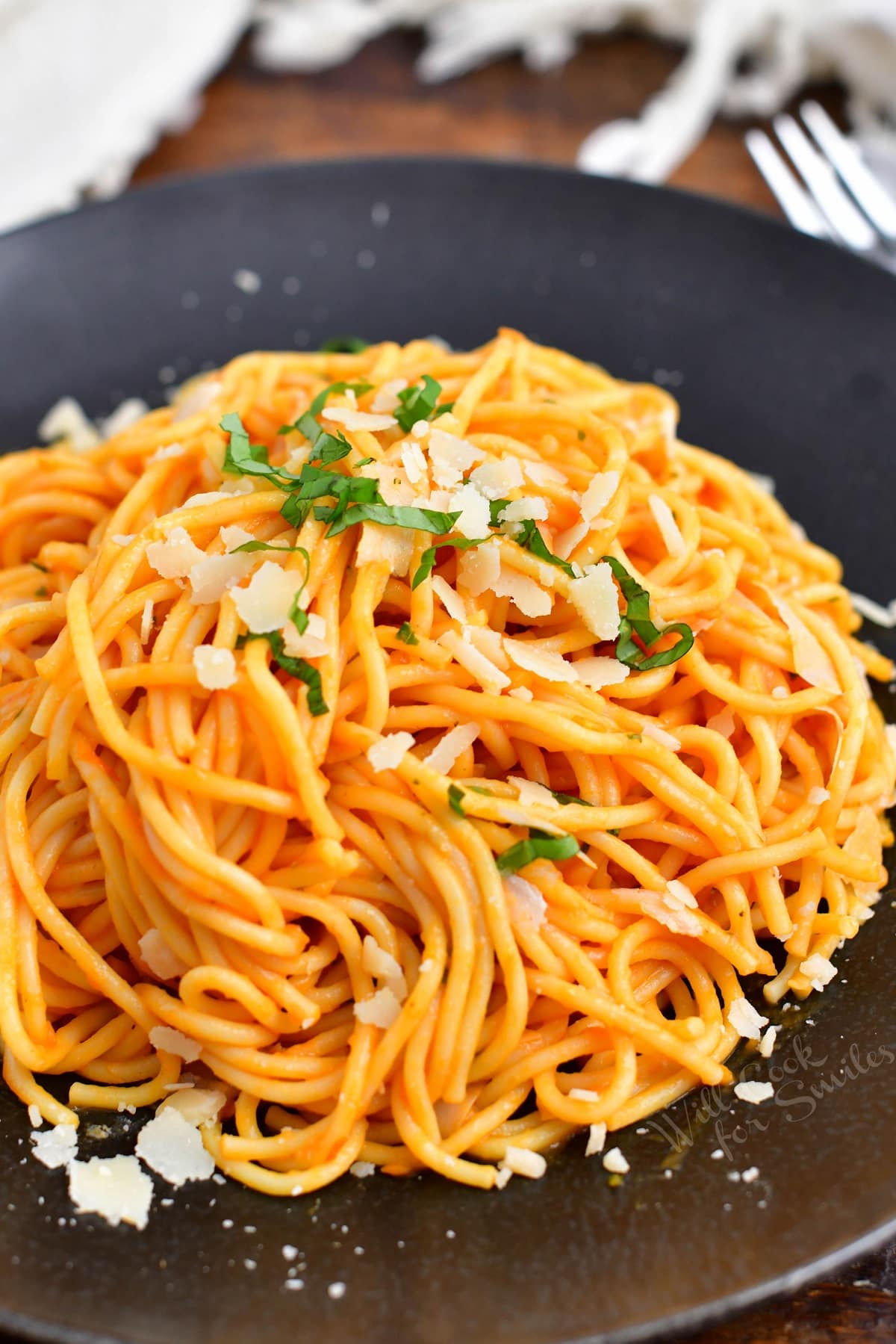
- Classic pasta al pomodoro. Toss the warm sauce with spaghetti, add a splash of reserved pasta water, and finish with fresh basil and grated Parmesan.
- Over cheese ravioli or tortellini. Pomodoro is light enough not to overwhelm a filled pasta like creamy Tuscan shrimp ravioli, letting the filling stay the star while the sauce does its job.
- As a base for baked dishes. Spoon it under breaded cutlets for eggplant parmesan, or ladle it over baked chicken before the cheese goes on.
- With crusty bread. Warm a bowl of it and serve alongside a loaf for dipping. It’s a simple appetizer or a light meal on its own.
- Spooned over grilled or roasted vegetables. Zucchini, eggplant, and bell peppers all taste wonderful with a spoonful of pomodoro on top instead of a heavier sauce.
Storing and Freezing Instructions
Cool the sauce to room temperature before refrigerating or freezing. Transfer cooled sauce into a glass jar with a lid and keep in the refrigerator. Properly stored, Pomodoro sauce will last 5-7 days.
You can also freeze it for up to 3 months, then thaw in the refrigerator before use.
To freeze the sauce, transfer cooled sauce into freezer friendly zip-top storage bag or freezer storage container. (You can portions it into more than one bag.) Make sure to only fill it about 3/4 of the way full to allow room for the sauce to expand while it freezes. Get all the air out, seal well, label, and freeze it for up to 3 months.
Pasta al Pomodoro Recipe FAQs
Yes, but you can taste quite a difference in the flavor. There is a very distinct difference between fresh and canned tomatoes, especially when it comes to the amount of acidity.
While the pomodoro sauce will still be delicious and tomato forward, it won’t taste quite the same. Use a 28-ounce can of whole peeled San Marzano tomatoes, which are a bit sweeter and not as acidic as other varieties.
Largely the texture and flavor, both are quite different. Marinara tends to be thicker, little chunky and has a deeper consistency. Pomodoro, on the other hand, is thinner because it’s made with fresh tomatoes and blended until completely smooth.
Marinara also tends to contain more herbs, other vegetables, and spices, like oregano or red pepper flakes. The ingredients can also vary widely based on each person’s pantry and preferences. Marinara sauce is more often made with canned tomatoes rather than fresh.
No, Pomodoro sauce is not traditionally spicy.
If you do want to add a little kick to it, add some crushed red pepper flakes as it simmers.
Pomodoro is a thinner sauce than marinara spaghetti sauce because it’s made with fresh tomatoes. If you’d like it a little thicker, return it to the pot and let it simmer uncovered for a few more minutes to cook off extra liquid.
If it’s thicker than you’d like, or you’re loosening it up for tossing with pasta, stir in a splash of reserved pasta water, broth, or plain water a little at a time.
Yes. Pomodoro sauce actually tastes even better the next day, once the flavors have had time to settle. Make it up to a few days ahead and keep it in the refrigerator, then reheat gently on the stove before serving.
Our Favorite Italian Recipes
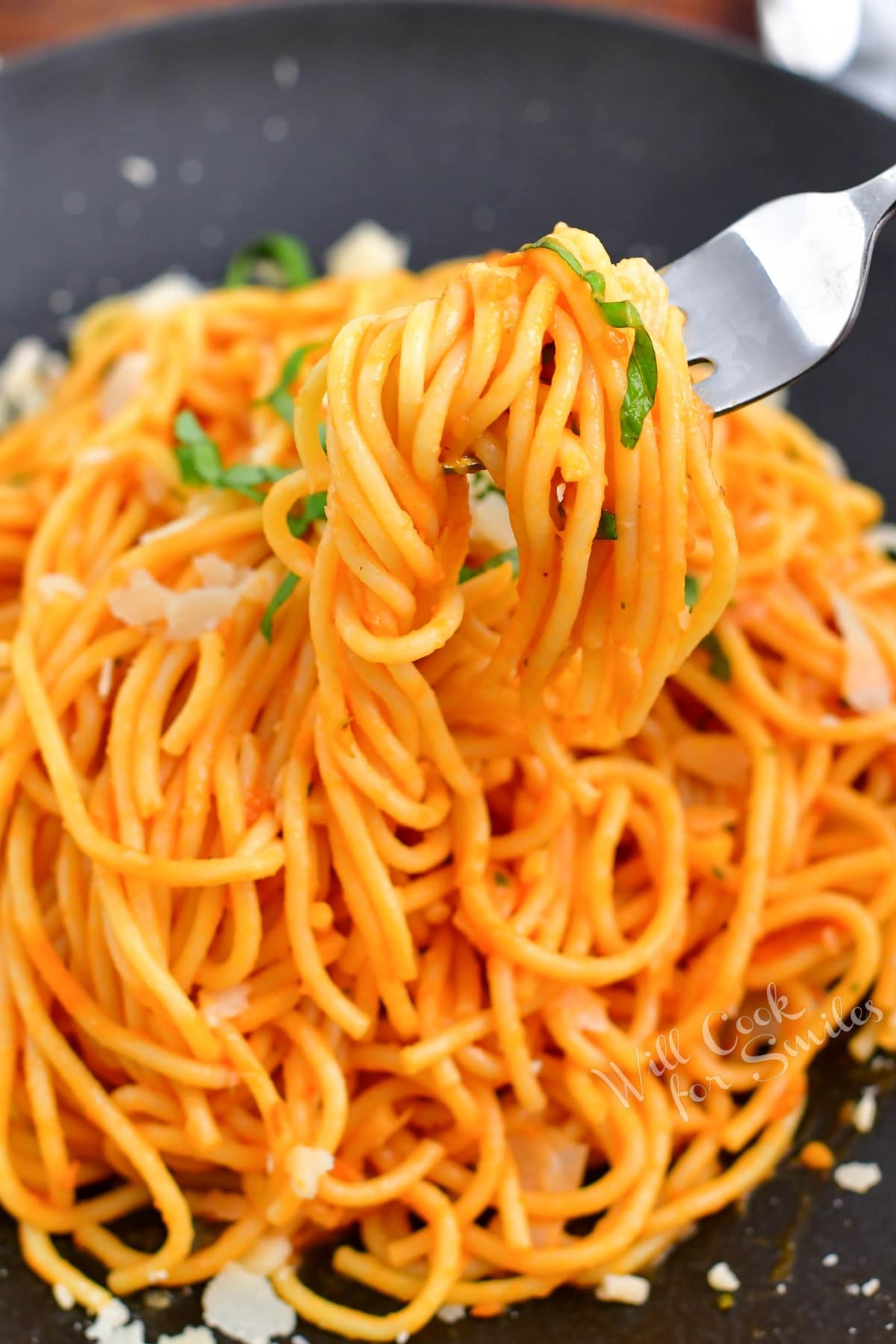
- Pomodoro sauce is great on all kinds of pasta, from classic spaghetti to fancier shapes like campanelle. It also makes a wonderful base for the best lasagna recipe or a simple weeknight homemade pizza sauce swap.
- If you want something rich and meaty, Bolognese sauce is another classic Italian sauce worth having in your rotation.
- Nothing beats a comforting pasta night. Make it with the classic Instant Pot spaghetti sauce or vodka sauce when you want something heartier, but when your tomatoes are at their peak, pomodoro is where they belong.
- If you love a bright, herby sauce as much as a tomato one, don’t miss basil pesto, and if you’re in the mood for something creamy instead, classic Alfredo sauce is a longtime reader favorite.
DID YOU MAKE THIS RECIPE? PLEASE leave a 🌟 star rating! Let me know how you liked it by leaving the 📝 comment below or share and tag me on social media @willcookforsmiles. DON’T FORGET to subscribe to my newsletter!
Pomodoro Sauce Recipe
Ingredients
- 2 tbsp olive oil
- 2.5-3 lbs heirloom tomatoes
- 1 small sweet or Vidalia onion
- 4 garlic cloves
- 5-6 basil leaves fresh
- 1/2-1 tsp white granulated sugar
- 1 tsp coarse salt more or less to taste
- 1/4-1/2 tsp fresh cracked black pepper to taste
Instructions
To Peel Tomatoes:
- Heat up a large pot of water and prepare a bowl with iced water. Bring the water to boil and set iced water bowl close to the stove.
- Slice a small x across the bottom of each tomato (not the part that attaches to the vine).
- Working in batches of 3 or 4 tomatoes, add them to the boiling water for 25-30 seconds. You will see the skin starting to peel off where it's sliced.
- Use a slotted spoon to take tomato out of the pot and into the ice bath. Once cooled after a few seconds, take them out onto the cutting board and peel the skin off with your hands. It should come off nice and easy.
To Make Pomodoro Sauce:
- Dice onion and tomatoes and set aside. If you see a lot of juices running off the tomatoes, you can pour off some of them but not all. Peel, smash, and mince garlic cloves.
- Preheat a Dutch oven over medium heat and add the olive oil.
- Add onion and sauté until transparent and starts to soften. Make a little well in the middle and add garlic. Cook garlic just until fragrant.
- Add in diced tomatoes and bring it all to a simmer. Lower the heat to medium low so the sauce gently simmers and let it cook for 30-40 minutes. Do not cover with a lid but make sure to stir from time to time.
- Stir in salt, pepper, sugar, and minced basil leaves. Let the sauce cook another 5 minutes or so and then you can transfer it into a blender to blend until smooth. You can also use an immersion hand blender to blend the sauce.
Storing:
- If not using the sauce right away, make sure to cool to room temperature before placing into the refrigerator.
- Store Pomodoro sauce in a glass jar with an air-tight lid, in the refrigerator. Properly stored, the sauce should last 5-7 days.
- Note: to help keep your sauce from spoiling faster, it's best to pour the sauce out of the jar instead of using a spoon to scoop it out.
Freezing:
- To freeze the sauce, transfer cooled sauce into freezer friendly zip-top storage bag. (You can portions it into more than one bag.) Make sure to only fill it about 3/4 of the way full to allow room for the sauce to expand while it freezes. Seal well, label, and freeze for up to 3 months.
Video
Notes
- Don’t cover with a lid – don’t cover the pot with the lid while cooking the sauce. Pomodoro sauce is usually a thicker sauce so you want to cook out the liquids and let them evaporate. The sauce flavor will also be richer if you let the liquids cook out.
- Don’t rush! Let the sauce simmer for the full recommended time and if you want a deeper flavor, let it cook on low for up to 2 hours.
- Avoid a blender explosion! When heat is trapped in a blender, it builds pressure that may cause the lid to pop off unexpectedly. Usually, there is a removable cap in the center of the lid to prevent this from happening. Some other types of blenders will have a flap you can open in a lid to let the steam escape. Make sure to open the flap or the cap in the lid to let the steam escape while blending.
Nutrition
Would you like to save this recipe?
Categories:
Dinner Recipes, Gluten Free Recipes, Italian Dinner Recipes, Pasta Recipes, Sauce Recipes,All images and text ©Lyubov Brooke for ©Will Cook For Smiles. Please do not use my images without prior permission. If using my posts in collections and features, please link back to this post for the recipe.
Disclaimer: Nutrition information shown is not guaranteed to be 100% accurate as most ingredients and brands have variations.











Mmm sooo good!! Doubled the garlic, used my shrimp scrapings to cook the onions and garlic, added some red pepper flakes. Fun to make, more fun to eat!
Thanks, Tim! I am so glad you liked it!
My family loved this pasta!
I’m so happy to “hear” it!